

Latest implant model
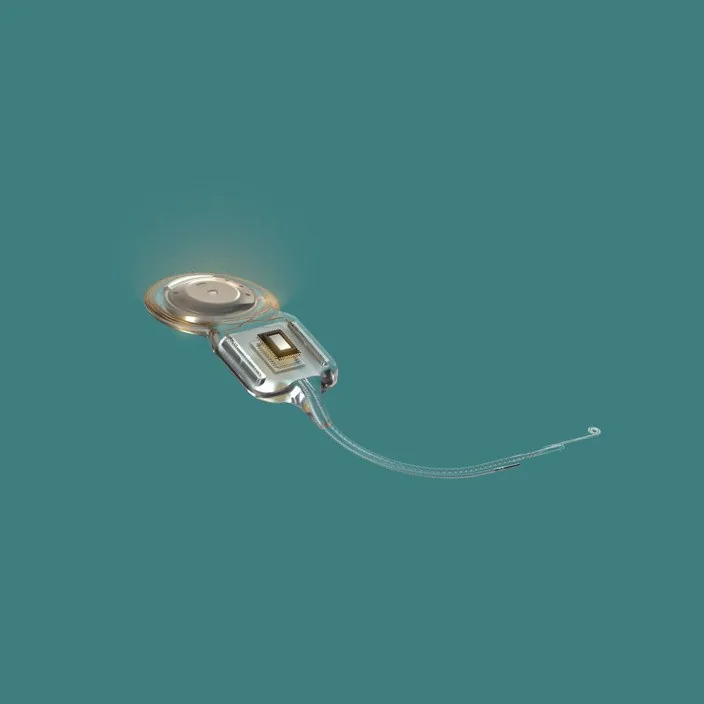
The Nexa smart implant
The world's first and only smart cochlear implant system.
- Future‑readyUpgradeable firmware
- Implant memorySettings sync to a new processor
- All‑day batteryDynamic power management

Sound processors
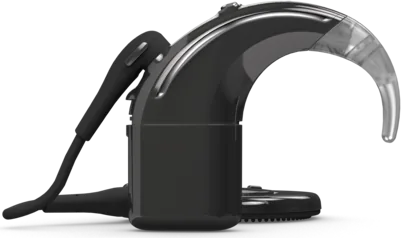
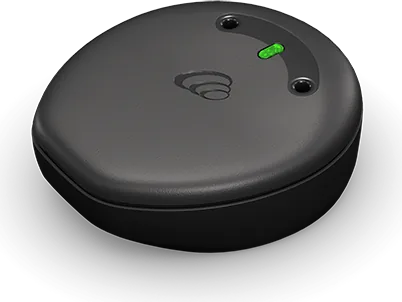
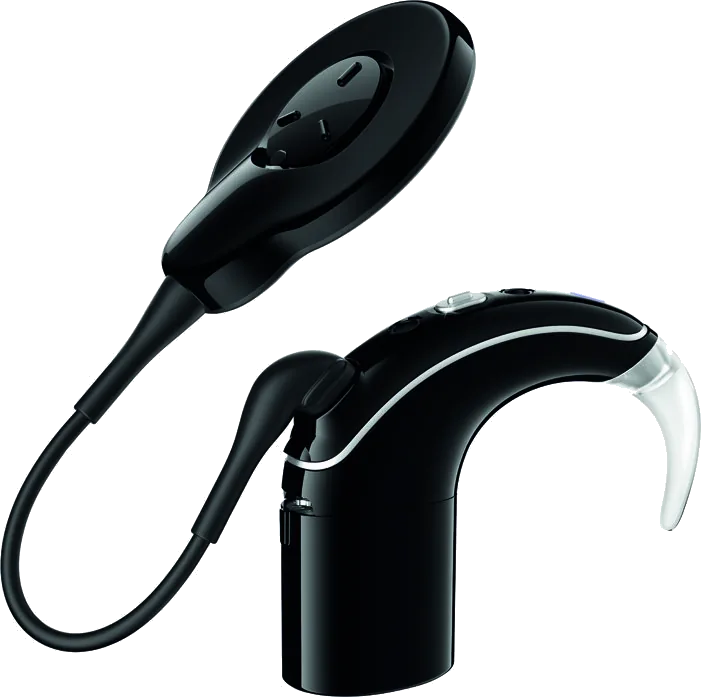
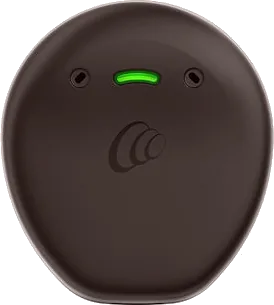
Every Cochlear sound processor for cochlear implants has dual microphones.
Implants
Bone conduction (BAHA): Osia and Baha Start
For conductive or mixed hearing loss, or deafness in one ear, bone conduction sends sound through the bone straight to the inner ear. Many ENT surgeons call this a BAHA, a bone anchored hearing aid. You can try it first with no surgery on Baha Start, free at our Care Centres, then move to the Osia implant.
Bone conduction implant
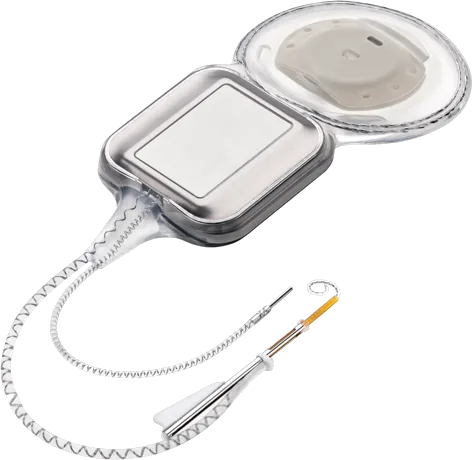
The Osia System
Cochlear's active bone conduction implant, with a Piezo Power transducer that sits fully under the skin.
- Piezo PowerFully under the skin
- 3 T MRIMagnet stays in place
- RechargeableUp to 30 hours, Osia 3

-

No surgery
Baha Start
- Worn on a soft band
- Free trial at our Care Centres
- Dual microphones
-
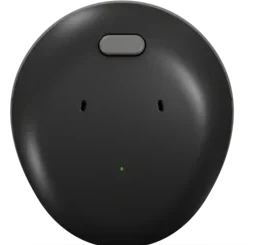
Off the ear
Osia 3
- Rechargeable, up to 30 hours
- IP68 water and dust
- Streams from phones
-
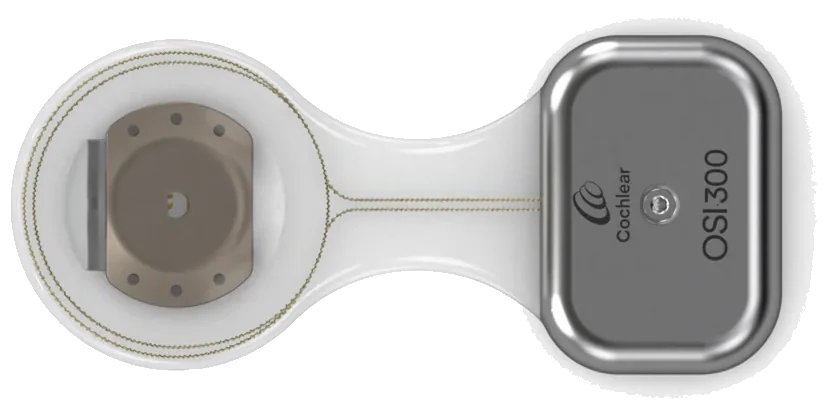
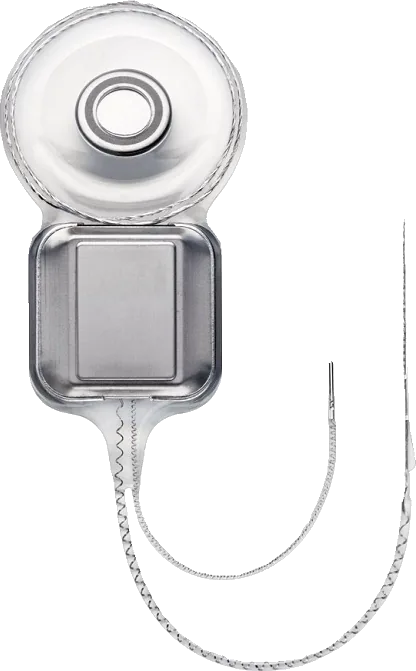
Implant
Osia OSI300
- Bone conduction implant
- 3 T MRI, magnet in place
- Piezo Power transducer
Technical documents
Cochlear's own specification sheets, for reading offline or sharing.
| Document | What it covers | Download |
|---|---|---|
| Nucleus Nexa technical specifications | CI1032 with Slim Modiolar: implant dimensions, weight, MRI status and the array specification | Nexa tech specs (PDF, 0.2 MB) |
| Nucleus Profile Plus technical specifications | CI632 with Slim Modiolar: implant dimensions, weight, MRI status and the array specification | Profile Plus tech specs (PDF, 0.6 MB) |
| Nucleus Profile technical specifications | CI512 with Contour Advance: implant dimensions, weight, MRI status and the array specification | Profile tech specs (PDF, 0.4 MB) |
| Nucleus 8 technical specifications | CP1110 behind-the-ear processor: dimensions, battery life, microphones, streaming and water rating | Nucleus 8 tech specs (PDF, 0.2 MB) |
| Nucleus 7 technical specifications | CP1000 behind-the-ear processor: dimensions, battery life, microphones and streaming | Nucleus 7 tech specs (PDF, 0.6 MB) |
| Kanso 3 technical specifications | CP1170 off-the-ear processor: dimensions, battery, microphones and streaming | Kanso 3 tech specs (PDF, 0.2 MB) |
| Kanso 2 technical specifications | CP1150 off-the-ear processor: dimensions, battery, microphones and streaming | Kanso 2 tech specs (PDF, 0.2 MB) |
| Electrode comparison chart | Every current electrode array from the major implant manufacturers, side by side: active length, tip and base dimensions, channel count | Electrode comparison chart (PDF, 0.3 MB) |
| Osia System technical specification | OSI300 bone conduction implant: dimensions, weight, materials and MRI | Osia tech specs (PDF, 0.4 MB) |
| Osia reliability report | Implant reliability for the OSI300 and OSI200. Volume 6, December 2025 | Osia reliability report (PDF, 0.7 MB) |
| Baha Start product sheet | The Baha SoundBand and SoundArc: who each is for, sizes and colours | Baha Start product sheet (PDF, 0.2 MB) |
| Baha 6 Max datasheet | The sound processor used for Baha Start: size, battery, water rating and streaming | Baha 6 Max datasheet (PDF, 2.0 MB) |
| Nucleus reliability report | Cumulative survival percentages for every Nucleus implant generation, reported to ISO 5841-2 and ANSI/AAMI CI86. Volume 24, December 2025 | Reliability report (PDF, 1.7 MB) |